
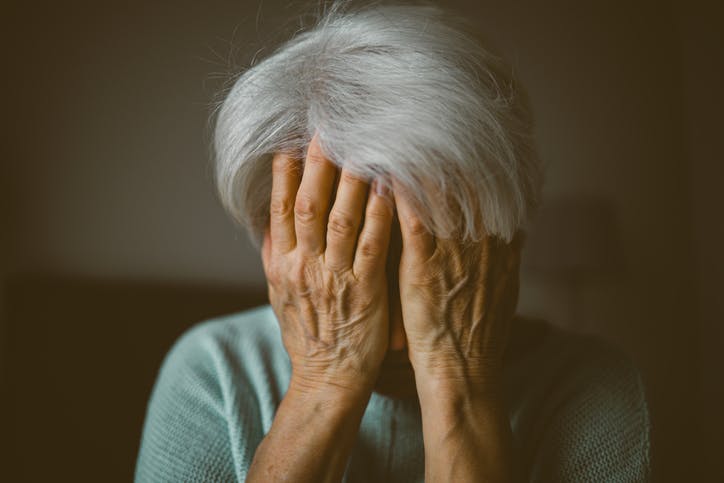
Families trust nursing homes to care for their loved ones with safety and compassion. Sadly, abuse and neglect still happen in many New Jersey facilities. When staffing is insufficient, training is poor, or oversight is weak, residents can be hurt, sometimes seriously.
Learning about common injuries linked to nursing home abuse can help families spot warning signs early and take steps to keep their loved ones safe. If your loved one has suffered abuse at the hands of the staff where they live, contact Kwartler Manus to speak with a compassionate New Jersey nursing home abuse attorney.
What Are Common Injuries Caused by Nursing Home Abuse?
Pressure ulcers, or bedsores, are some of the most common injuries in nursing home neglect cases. They happen when a resident stays in one position too long without being moved or checked. Bedsores usually appear on bony areas like the hips, tailbone, heels, and elbows.
At first, pressure ulcers may look like red or discolored skin. If not treated, they can turn into open wounds that reach muscle and bone, leading to serious infections, sepsis, or even death. Since proper care can usually prevent bedsores, their presence often signals understaffing or neglect.
Fractures and Falls
Falls are a leading cause of injury for nursing home residents, especially those with limited movement, balance problems, or memory issues. While some falls cannot be avoided, repeated falls or serious injuries often indicate insufficient supervision, poor facility upkeep, or missing safety equipment such as bed rails or grab bars.
Hip fractures are especially risky for older residents because they often need surgery and a long recovery. During this time, residents face a higher risk of complications such as blood clots, pneumonia, and reduced mobility. Wrist, arm, and spine fractures can also happen when falls are not properly prevented.
Malnutrition and Dehydration
Good nutrition and adequate fluid intake are essential for residents’ health, but malnutrition and dehydration remain common in facilities with too few staff. Residents who need help eating or drinking may be overlooked if staff are too busy to assist during meals.
Watch for signs like sudden weight loss, sunken eyes, dry skin, confusion, or tiredness. If not treated, malnutrition and dehydration can weaken the immune system, slow down healing, and cause more health issues, such as kidney failure and a higher risk of infection.
Infections
Uncared-for wounds, poor hygiene, and dirty conditions can lead to many infections in nursing home residents. Urinary tract infections (UTIs) are common, especially if residents do not get help with toileting or catheter care. If not treated, UTIs can turn into sepsis, a serious and life-threatening infection.
Other infections, like pneumonia or infected bedsores, can occur when there is poor cleaning, insufficient help with moving, or missed early signs of illness. Since older residents often have weaker immune systems, infections that are minor for younger people can become deadly for them.
Medication Errors
Many nursing home residents rely on several medications to manage health problems. Mistakes like giving the wrong drug, wrong dose, missing doses, or mixing drugs that should not be combined can be very dangerous.
Overmedication, especially with sedatives or antipsychotics used to control behavior instead of treating a real condition (sometimes called chemical restraint), is a type of abuse that can cause too much drowsiness, falls, and memory problems.
The Physical and Emotional Effects on Victims
Not all injuries are physical. Emotional abuse, including verbal humiliation, threats, isolation, and intimidation, can cause serious mental harm. Emotional abuse, like verbal insults, threats, isolation, or intimidation, can cause serious mental harm. Residents who suffer this kind of abuse may become withdrawn, anxious, depressed, act differently, or seem afraid of certain staff.
These signs can be harder to notice than physical injuries, but they are just as harmful. Other signs include bruising, cuts, burns, or fractures that don't align with the explanation provided by facility staff. Unexplained injuries, especially in patterns such as bruising on both arms consistent with being grabbed, justify immediate investigation.
The Financial Costs of Nursing Home Abuse
The financial costs of nursing home abuse vary based on each individual situation, but some of the most common examples include the following:
- Emergency treatment for surgery, hospital stays, bedsores, broken bones, medications, and infections.
- Occupational and physical therapy needed to recover from the abuse.
- Costs to transfer the patient between facilities.
- Therapy and counseling to treat the patient for depression or anxiety caused by the abuse.
- Theft of cash, checks, credit cards, or other financial accounts.
- Forged signatures on checks, legal contracts, or banking documents.
- Coercing the victim to change their will, power of attorney, trusts, or other estate planning documents.
- Costs to hire legal representation, filing fees for lawsuits, and paying expert witnesses to testify on behalf of the victim.
How Can Victims Seek Compensation in New Jersey?
Victims of nursing home abuse in New Jersey may be entitled to several categories of compensation, depending on the facts of the case:
- Medical expenses. This includes the cost of treating injuries caused by abuse or neglect, such as hospitalization, surgery, medication, physical therapy, and continuing care needs.
- Pain and suffering. New Jersey law allows victims to recover for the physical pain and emotional distress caused by mistreatment, including anxiety, depression, humiliation, and diminished quality of life.
- Relocation costs. If a resident must be moved to a new facility due to abuse or neglect, the costs associated with that transition may be recoverable.
- Lost income or benefits, in cases where pecuniary exploitation has occurred.
- Wrongful death damages, if abuse or neglect contributed to a resident's death. New Jersey's Wrongful Death Act and Survivor's Act allow surviving family members to pursue compensation for funeral expenses, loss of fellowship, and the monetary contributions the deceased would have provided.
- Punitive damages are available in cases involving particularly egregious or intentional misconduct. These are intended to punish the wrongdoer and discourage similar conduct in the future, rather than simply compensating the victim for losses.
Proving a Nursing Home Abuse Claim
Nursing home abuse and neglect cases frequently hinge on documentation. Medical records, photographs of injuries, incident reports, staffing logs, and witness statements from other residents or employees can all function as critical evidence. Because facilities are required to maintain certain records under state and federal regulations, an attorney can help obtain documentation that families might not be able to access on their own.
Timing also matters. New Jersey's statute of limitations generally requires personal injury claims to be filed within two years of the injury. However, exceptions can apply depending on the circumstances, such as when the abuse wasn't immediately discoverable. Responding quickly helps preserve evidence and protects your family's legal rights.
Why Legal Representation Matters
Nursing home abuse cases are rarely simple. Facilities are often backed by insurance companies and legal teams whose priority is minimizing payouts, not guaranteeing justice for victims. An experienced attorney can investigate the facility's history, observe patterns of neglect or understaffing, consult with medical experts, and build a case that accurately reflects the full extent of the harm done.
An attorney can also help families understand which parties may be liable. In some cases, liability goes beyond the facility itself to staffing agencies, corporate ownership groups, or individual caregivers, depending on how the abuse occurred and who was responsible for oversight.
When Should You Contact a Nursing Home Abuse Attorney?
If you believe a loved one has suffered abuse or neglect in a nursing home, you don't have to manage this process alone. Kwartler Manus is committed to helping families throughout New Jersey hold negligent facilities accountable and pursue the compensation their loved ones deserve. From the initial investigation through negotiation or litigation, our team works to ensure victims' voices are heard and their rights are protected.
If you have concerns about a family member's care, don't wait to seek answers. Contact the nursing home abuse lawyers at Kwartler Manus for a free consultation to discuss your situation and learn about your legal options.
Sources
- Justia: 2025 New Jersey Revised Statutes, Title 30 - Institutions and Agencies, Section 30:13-3 - Responsibilities of nursing homes:
https://law.justia.com/codes/new-jersey/title-30/section-30-13-3/ - Justia: 2025 New Jersey Revised Statutes, Title 2A - Administration of Civil and Criminal Justice, Section 2A:15-3 - Actions which survive; torts to decedent; funeral and burial expenses; statute of limitations:
https://law.justia.com/codes/new-jersey/title-2a/section-2a-15-3/ - Justia: 2025 New Jersey Revised Statutes, Title 2A - Administration of Civil and Criminal Justice, Section 2A:31-1 - When action lies:
https://law.justia.com/codes/new-jersey/title-2a/section-2a-31-1/
Blog Disclaimer – Kwartler Manus, LLC
The information provided in this blog is for general informational purposes only and is not intended to constitute legal advice or create an attorney-client relationship. Reading or interacting with this content does not establish an attorney-client relationship with Kwartler Manus, LLC. Every legal matter is unique, and past results, settlements, verdicts, or case outcomes do not guarantee or predict a similar result in any future matter. This content may be considered Attorney Advertising under the rules of Pennsylvania and New Jersey. You should not act or rely upon any information contained in this blog without seeking the advice of a qualified attorney regarding your specific situation. Kwartler Manus, LLC is licensed to practice in Pennsylvania and New Jersey, and this blog is intended for residents of those jurisdictions.