
Patients undergo colonoscopies, endoscopies, bronchoscopies, ERCPs, and other scope procedures expecting answers. However, Olympus has faced years of scrutiny over certain endoscopes, duodenoscopes, bronchoscopes, and related devices that were allegedly difficult to adequately clean and disinfect between patients. Federal regulators investigated contamination concerns, infection outbreaks, and safety issues involving certain Olympus scope designs, including devices with complex components that may impede effective cleaning and disinfection between procedures.

What Is the Olympus Duodenoscope Lawsuit About?
Olympus duodenoscope lawsuits involve allegations that certain reusable scopes used during Endoscopic Retrograde Cholangiopancreatography (ERCP) procedures were associated with the transmission of serious bacterial infections. ERCP is a specialized procedure used to diagnose and treat conditions affecting the:
- Pancreas
- Bile ducts
- Gallbladder
- Liver
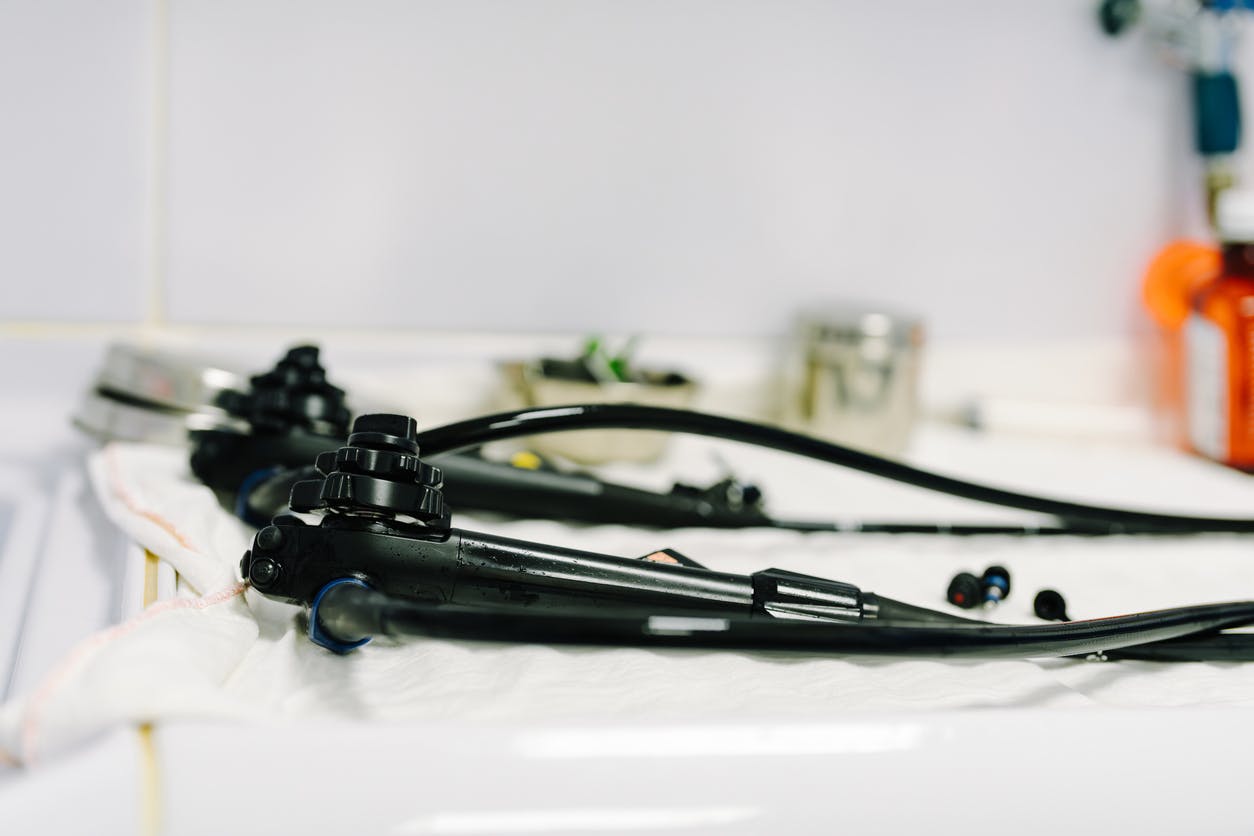
Unlike traditional endoscopes, duodenoscopes feature a specialized elevator mechanism at the tip that helps physicians maneuver instruments during treatment. According to the U.S. Food and Drug Administration (FDA), the complex design of some duodenoscopes may impede effective cleaning and disinfection, potentially allowing bacteria to remain on the device despite standard reprocessing procedures.
Federal health agencies and medical researchers have documented outbreaks of contamination from duodenoscopes at healthcare facilities across the United States. Some outbreaks involved carbapenem-resistant Enterobacterales (CRE), a dangerous antibiotic-resistant bacterium that can be difficult to treat and may lead to life-threatening complications. The FDA estimates that approximately 500,000 ERCP procedures are performed annually in the United States using duodenoscopes, making patient safety concerns particularly significant.
Plaintiffs commonly allege that Olympus:
- Designed duodenoscopes that were difficult to clean and disinfect adequately
- Failed to warn healthcare providers about infection risks sufficiently
- Did not promptly address known contamination concerns
- Continued marketing certain devices despite reports of patient infections
- Failed to implement safer design alternatives that could have reduced infection risks
As reports of infection outbreaks increased, the FDA and Centers for Disease Control and Prevention (CDC) issued safety communications and conducted investigations into contamination risks associated with reusable duodenoscopes. Patients who allegedly developed serious infections after exposure to contaminated devices have since pursued claims seeking accountability for the injuries and losses they suffered.