
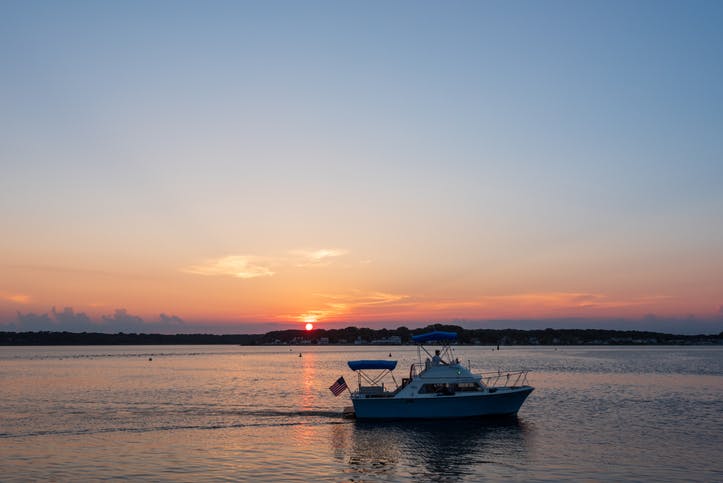
When summer temperatures climb, the bays, inlets, and open water along the Jersey Shore fill with boats of every size. From Barnegat Bay to the back channels of Margate, boating is one of the defining pleasures of a Jersey Shore summer in Atlantic County and beyond.
But that same water that makes for a perfect afternoon can turn dangerous fast — and every year, boaters, water skiers, swimmers, and passengers are seriously injured or killed in accidents that were entirely preventable.
At Kwartler Manus, we've seen firsthand how quickly a day on the water can turn into a lifetime of medical bills, lost income, and grief for a family. Understanding the real risks of boating at the Jersey Shore is the first step toward avoiding them. Speak with a New Jersey boating accident lawyer today.
What Makes Boating at the Jersey Shore Unique?
New Jersey's coastal waterways aren't just scenic — they're crowded. Barnegat Bay alone hosts thousands of registered vessels, along with personal watercraft, kayaks, paddleboards, and swimmers, often sharing the same narrow channels. That congestion, combined with shifting sandbars, strong tidal currents, and inlets known for rough water, creates conditions where a single moment of carelessness can have devastating consequences.
Tragedies on New Jersey waters aren't hypothetical. In recent boating seasons, the state has seen fatal collisions in Barnegat Bay, including incidents where boats struck navigational markers or other vessels, and cases where swimmers or people who had fallen overboard were struck by propellers near popular spots like Harvey Cedars on Long Beach Island. These aren't isolated incidents — they reflect the real risks that come with mixing high boat traffic, alcohol, inexperience, and unpredictable water conditions.
Navigating the Back Bays Safely
Unlike the ocean, where depths are relatively stable, the back bays are constantly reshaped by tides, storms, and inlet dynamics. Sandbars migrate, channels silt in, and markers occasionally go missing or drift out of position after a nor'easter. A chartplotter loaded with last year's data can put you square on top of a shoal that wasn't there when the chart was made.
Treat your GPS and charts as a guide, not gospel. Cross-reference with the current NOAA chart for your specific bay, check for Local Notices to Mariners from the Coast Guard, and when in doubt, slow down and read the water. Discolored, choppy, or unusually calm patches often signal a change in depth.
Learn the Local Marker System
The back bays use the standard U.S. lateral system — red markers to starboard when returning from open water ("red right returning"), green to port — but the back bay channels twist and split in ways that can confuse boaters used to open-water navigation. Numbered day markers, unlit cans, and privately maintained channel markers are all common, and they don't always agree with what your electronics say.
Before running a bay you don't know well, spend a few minutes studying the channel on a chart at normal speed, not just glancing at your plotter while underway. If you lose sight of the next marker, stop and locate it before continuing. Running "by feel" is how boats end up hard aground on a falling tide.
Respect the Tides
Tidal swings of a few feet may not sound dramatic, but in water that's only two or three feet deep to begin with, that swing is the difference between a comfortable cruise and a grounded boat. Mudflats and sandbars that are invisible at high tide can be fully exposed an hour or two later.
Check tide tables before you go, not just for your launch point but for anywhere you plan to anchor, beach the boat, or explore. If you're planning to spend time in a back bay cove or marsh, build in a buffer — plan to leave before the tide gets low enough to strand you, especially in a heavier boat that draws more water.
Watch Your Speed and Wake
Back bays are full of no-wake zones near marinas, bulkheads, and residential docks, and for good reason: wake erodes shorelines, damages docked boats, and swamps kayaks and paddleboards. New Jersey enforces these zones actively during the summer season, and fines for violations add up quickly.
Beyond the legal exposure, speeding through a narrow bay channel dramatically shortens your reaction time if a crab pot buoy, a paddleboarder, or a submerged piling suddenly appears. Many back bay accidents happen not because someone was reckless in open water, but because they carried ocean speeds into tight, shallow, high-traffic channels.
Common Hazards Jersey Shore Boaters Should Be Aware Of
Thunderstorms roll in fast during Jersey Shore summers, and the back bays offer little protection once wind and lightning arrive. Because these areas are shallow and often surrounded by marsh rather than solid shoreline, finding a safe harbor can take longer than boaters expect.
Check the marine forecast before departing and monitor conditions throughout the day, particularly in the afternoon when pop-up storms are most common. If you see building cumulus clouds or a shift in wind direction, head in early rather than betting you can beat the weather.
The depth of the back bay channels can be unpredictable. Be sure your vessel has an operational depthfinder so you can monitor where shallow areas are located, avoiding running aground. Vessels that run aground at high speeds can lead to serious and deadly accidents where occupants are thrown into the water or onto land.
Common Injuries Caused by Jersey Shore Boating Accidents
Boating accidents can be extremely violent. Boaters can easily be thrown throughout the boat and even off of it into the water. For this reason, every boater should have a properly sized lifejacket on the vessel that is always within reach. Children 12 and under should wear their lifejackets at all times.
If a boating accident throws you or a loved one into another area of the boat, a resulting traumatic brain injury (TBI) can change the course of your life. A violent crash can cause you to slam your head against the boat, causing a concussion or a TBI.
Electrocution and Burns
A boat accident can also lead to a fire, depending on the circumstances. Victims of a boat fire can suffer burns of varying degrees. Depending on the severity of the burns, you may require a skin graft to treat the affected area, which could leave permanent scarring.
Boaters and their passengers can also suffer electrocution in a boating accident or ingest fumes from the gas or engine.
Spinal Cord Injuries
A Jersey Shore boating accident can also lead to spinal cord injuries. Depending on the force of the collision with the other vessel, you could wind up experiencing difficulty walking or even paralysis. A spinal cord injury requires extensive rehabilitation, physical therapy, and, oftentimes, multiple surgeries. Paralysis might also lead to your having to renovate your home to accommodate a wheelchair, hospital bed, and other medical equipment necessary for you to live with the injury.
Drowning
Unfortunately, some of the most tragic Jersey Shore boating accidents result in drowning. Drowning often occurs when the victim is thrown overboard in a collision, if the boat capsizes, or if the victim falls off the boat. Drowning can be prevented or made less likely if everyone aboard the boat wears their lifejacket at all times. Having a lifejacket on during a boat crash can help you stay afloat if you are thrown from the boat, limiting the chances of drowning.
Tips for Preventing Boating Accidents
Before enjoying a day on the back bays of the Jersey Shore, put these preventive tips into action:
- Learn the channel markers and what each one means
- Avoid alcohol consumption
- Study maps of the back bays prior to launching
- Have the properly sized life jackets for all aboard the vessel, and ensure children wear them at all times
- Have a working fire extinguisher and first aid kit aboard the vessel
- Avoid distractions while operating the vessel
- Have a second person assist with navigation and for lookout purposes
You can enjoy a safe day on the back bays of the Jersey Shore with proper preparation.
What to Do After a Boating Accident
Boating accident cases can be more complicated than typical personal injury claims. They may involve federal maritime law alongside New Jersey statutes, questions about vessel insurance coverage, and evidence that can disappear quickly if it isn't preserved right away. If you or a loved one has been injured in a boating accident at the Jersey Shore, the team at Kwartler Manus can help you understand your rights, investigate what happened, and pursue the compensation you deserve for medical expenses, lost wages, pain and suffering, and more.
Boating should be one of the best parts of a Jersey Shore summer. By staying alert to these common dangers — and knowing where to turn if the worst happens — boaters, passengers, and swimmers alike can help make the water safer for everyone. Call today to schedule a free consultation.
Sources
- Southern Boating & Yachting: Exploring Jersey Shore: A Simple Cruising Guide Like No Other:
https://southernboating.com/destinations/jersey-shore-cruising-a-guide-like-no-other/ - American Nautical Services: Navigating the Inlets of the Atlantic ICW: Tips to Follow:
https://www.amnautical.com/blogs/the-mariners-blog/navigating-the-inlets-of-the-atlantic-icw?srsltid=AfmBOopDXKW498P0qZ8VHI-l3QLUPLYuQpFZZmTeSt618FqoGUk8m5uB - Boat-Ed: Careless or Reckless Operation:
https://www.boat-ed.com/newjersey/studyGuide/Careless-or-Reckless-Operation/10103202_40378/
Blog Disclaimer – Kwartler Manus, LLC
The information provided in this blog is for general informational purposes only and is not intended to constitute legal advice or create an attorney-client relationship. Reading or interacting with this content does not establish an attorney-client relationship with Kwartler Manus, LLC. Every legal matter is unique, and past results, settlements, verdicts, or case outcomes do not guarantee or predict a similar result in any future matter. This content may be considered Attorney Advertising under the rules of Pennsylvania and New Jersey. You should not act or rely upon any information contained in this blog without seeking the advice of a qualified attorney regarding your specific situation. Kwartler Manus, LLC is licensed to practice in Pennsylvania and New Jersey, and this blog is intended for residents of those jurisdictions.