


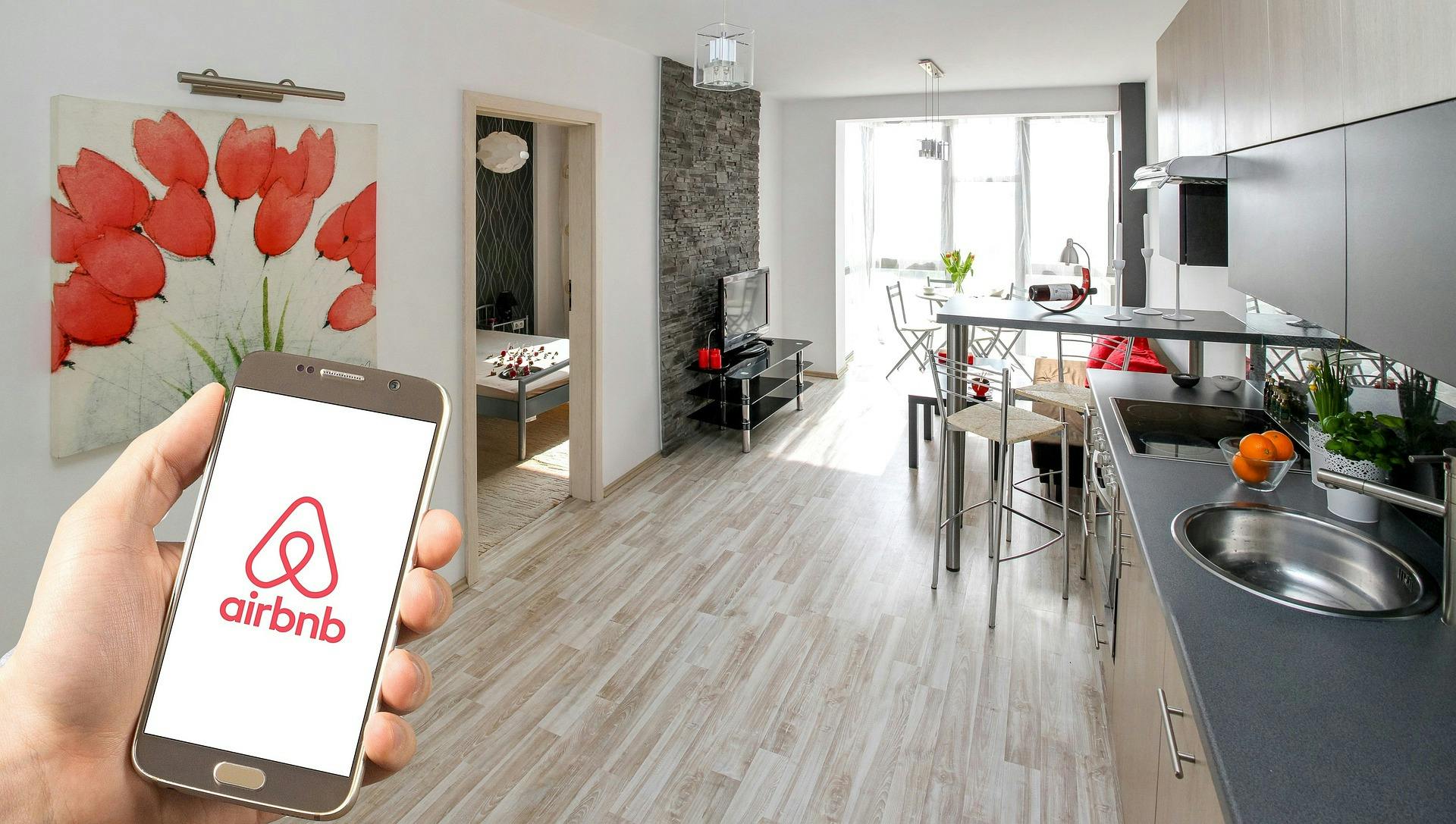
You may be able to sue Airbnb if you were hurt at a rental property, depending on the specific cause of your injuries and what was occurring at the time. Most often, you will seek legal action against the host, but other parties may also be responsible. Working with a Philadelphia premises liability attorney can help you determine the best route to take legal action.
Primary Responsibility Is Typically on the Host and Property Owner
If you slip and fall or otherwise suffer injuries at an Airbnb rental property, you can file a claim for your losses if you can show the other party is responsible. Often, this means filing a claim against the host and property owner, who bear most of the liability in these cases. Property owners and hosts are responsible for ensuring you remain safe while using their property. Some examples of incidents that may warrant filing a claim include:
- Slip and falls due to uneven flooring
- Missing handrails on stairs
- Undisclosed chemical residue or mold
- Pest infestations
- Contaminated water causing health issues
- Malfunctioning heat and cooling systems creating ventilation problems
- Exposed or overloaded electrical wiring
- Missing balcony railings
In these situations, you can file a claim if you suffered injuries warranting medical care directly from the unsafe conditions. This falls under premises liability law. The owner must communicate risks and maintain a reasonably safe environment. Speak with a Philadelphia slip and fall lawyer from Kwartler Manus today.
Suing Airbnb Directly for an Injury at a Rental Property
It may be possible to seek legal action against Airbnb after your injury. To do so, you must demonstrate that the company was at fault. Some examples of when this may apply include:
- Demonstrating that Airbnb knew of a risk at the property and did not warn of it
- The company made representations of safety that created reliance, meaning you had the right to assume Airbnb was keeping you safe
- The company failed to remove a listing, even with repeated safety complaints
- Demonstrate that Airbnb's role went beyond that of being a neutral platform in this transaction
The clarity you need here: unless you can show that Airbnb knew of the risk, failed to warn of it, and somehow allowed you to suffer the injuries, it may be difficult to recover any damages.
Airbnb operates as a third-party platform that facilitates the transaction between you and the owner or host. That does not always excuse their listings, though. Moreover, Airbnb has numerous standards it expects its hosts to maintain. Our attorneys can review the information related to your case to provide greater insight into your options.
The Property Management Company
Many Airbnb owners use property management companies or local managers to oversee and maintain the property on a day-to-day basis. The owner may still be at fault in many cases, but the property manager may also be at fault for failing to provide a safe environment. The burden of proof requires you to show that the property manager knew or should have known about the risk and failed to take action. Some examples include:
- There were no working smoke or CO detectors, and a fire or leak occurred
- Exits to the property or home were blocked
- The property had broken glass or other unsafe materials present that caused an injury
- Appliances were poorly maintained, resulting in an injury, such as hot tubs, kitchen appliances, fireplaces, or furnaces
- Ceilings, walls, or other facilities were not safe to use.
Other Parties May Be at Fault
Sometimes, others are at fault, or at least partially to blame. In each situation, careful examination of evidence is necessary to document negligence. Some examples include:
- An electrical company made repairs to the property, but created a hazard that caused you to suffer injuries
- A plumbing company serving the area caused a backup that ruined your belongings and caused health issues
- Someone struck you with a car, ATV, or other vehicle on the property, making that person responsible
- Someone nearby or in a different unit caused harm to you, such as their dog getting loose and biting you
- A landscaping company failed to maintain safe passage, you fell, and suffered injuries
These cases are not uncommon, but they are more challenging to prove. We must demonstrate that the party involved owed you a duty of care and failed in that care in some way. That breach must be the direct cause of your accident and the injuries you suffered from it.
With the guidance of an attorney, you can get a better idea of who might be at fault and what your rights are. We will investigate all areas of potential concern to build a strong case and claim for you. It is possible that more than one party could be at fault for your injuries.
Turn to Kwartler Manus for a Free Consultation to Review Your Options
Our premises liability attorney works with victims to get answers and results. If you were hurt while using an Airbnb, let us investigate what occurred and determine who is at fault. Many times, there is more than one party to blame for what happened to you. Call Kwarler Manus to schedule a free consultation with a premises liability attorney.
Sources
- Airbnb: Safety requirements for homes
https://www.airbnb.com/help/article/2904#section-heading-0
Blog Disclaimer – Kwartler Manus, LLC
The information provided in this blog is for general informational purposes only and is not intended to constitute legal advice or create an attorney-client relationship. Reading or interacting with this content does not establish an attorney-client relationship with Kwartler Manus, LLC. Every legal matter is unique, and past results, settlements, verdicts, or case outcomes do not guarantee or predict a similar result in any future matter. This content may be considered Attorney Advertising under the rules of Pennsylvania and New Jersey. You should not act or rely upon any information contained in this blog without seeking the advice of a qualified attorney regarding your specific situation. Kwartler Manus, LLC is licensed to practice in Pennsylvania and New Jersey, and this blog is intended for residents of those jurisdictions.