
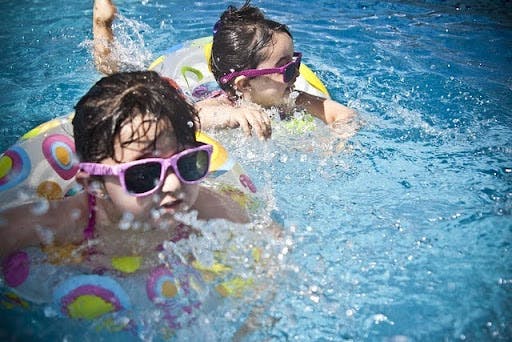
As the summer months heat up, there is nothing quite as refreshing as a cool swim in the pool. For some, it is the ideal way to relax, entertain friends, and get in some exercise. Yet, pools are dangerous, and for owners, staying safe while keeping everyone else safe is paramount.
The American Red Cross reports that about 4,000 people lose their lives in drowning accidents each year in the U.S. That's about 11 people every day. For owners, safety needs to be a priority. These summer pool safety tips from a Philadelphia drowning accident lawyer from Kwartler Manus help you minimize risk.
#1: Never Let People Swim Alone, Especially Children
Swimming is dangerous, especially if there is only one person in the water. Striking your head could mean more than just passing out. As a result, it's a good idea to avoid letting people swim alone.
At the same time, children must never be left alone around an open pool. Even for a few moments, a child can fall into the pool. And, because water is such an attractant to young children, it's not safe to just "run inside" for even a moment.
To mitigate risks, consider appointing someone as a water watcher. Their job is to watch everyone in the pool, without a phone in their hands.
#2: Create a Pool Barrier
In some cities, the law requires owners to fence in pools to prevent accidents. A child wandering onto your property could easily fall into the pool while no one is home. Fences are a starting point.
For many homes, other types of physical barriers can be helpful. Tension-based covers for the pool can help to minimize the risk of falling in. Placing a taller fence, one that children cannot climb, around the pool can also be helpful.
Even if you have fences and covers in place, consider the benefits of additional protection. For example, if you have children at home, make sure they receive swimming and water safety lessons. Invest in a pool alarm as well.
#3: Keep the Pool Properly Maintained
Maintaining your pool helps minimize risks. If a pool isn't properly treated, it can become slippery around the exterior surfaces, steps, and even the pool bottom. This increases the risk of falls.
Make sure your pool's filtration system is working properly and has been tested. Be sure to check that the drains have proper screens covering them. This prevents accidents caused by becoming stuck in these openings.
Also monitor water conditions. In some situations, excessive use of chemicals can create a high risk of toxic exposure. Avoid allowing anyone in the pool if you've just shocked it or otherwise treated it.
#4: Put in Place Pool Safety Rules
At the start of the year, create a list of rules that everyone in the family follows. These rules can help minimize risks to anyone. Consider rules such as:
- No games related to holding your breath. It's not wise to challenge each other to do so.
- Never hold someone under the water. Even for a few seconds, this can prove to be very dangerous.
- Avoid running around the exterior of the pool. These surfaces are highly risky because they can become very slippery.
- No drinking and swimming. Alcohol and swimming do not mix. Alcohol depresses the central nervous system, making it harder for your brain to concentrate and increasing the risk of drowning.
- Always swim with a partner. It's always safer when everyone has someone in the pool with them.
Following these simple rules can dramatically increase the safety of owning a pool. That is an important step as a property owner. You could be held accountable for the injuries others suffer at your home, in or around your pool. That is true even when someone wanders onto your property.
#5: Be Ready to Act in an Emergency
Emergency preparedness is the owner's responsibility. Even if you take every step listed here and many others, there is always the risk that something could go very wrong in your pool. Any time anyone is in the pool, make sure someone knows what to do in case of an accident. This includes:
- Knowing when and how to call 911 for immediate help.
- Understanding the signs of someone in distress in a pool. Teach children at a young age how dangerous water can be.
- Learn CPR from a registered provider. You simply do not know when it will be necessary to use it, even with the most summer pool safety in place.
When you treat a pool as a serious investment and take steps to keep everyone safe, you also minimize liability risk. As a pool owner, it is essential that you do so. If you are a visitor, abiding by these rules is essential as well.
Reach Out to Our Legal Team When You Are Hurt
If you sustain injuries at someone else's pool due to their negligence, contact our personal injury attorney for guidance. Kwartler Manus offers comprehensive legal support for those who suffer injuries caused by others' negligence. We offer free consultations.
Blog Disclaimer – Kwartler Manus, LLC
The information provided in this blog is for general informational purposes only and is not intended to constitute legal advice or create an attorney-client relationship. Reading or interacting with this content does not establish an attorney-client relationship with Kwartler Manus, LLC. Every legal matter is unique, and past results, settlements, verdicts, or case outcomes do not guarantee or predict a similar result in any future matter. This content may be considered Attorney Advertising under the rules of Pennsylvania and New Jersey. You should not act or rely upon any information contained in this blog without seeking the advice of a qualified attorney regarding your specific situation. Kwartler Manus, LLC is licensed to practice in Pennsylvania and New Jersey, and this blog is intended for residents of those jurisdictions.