
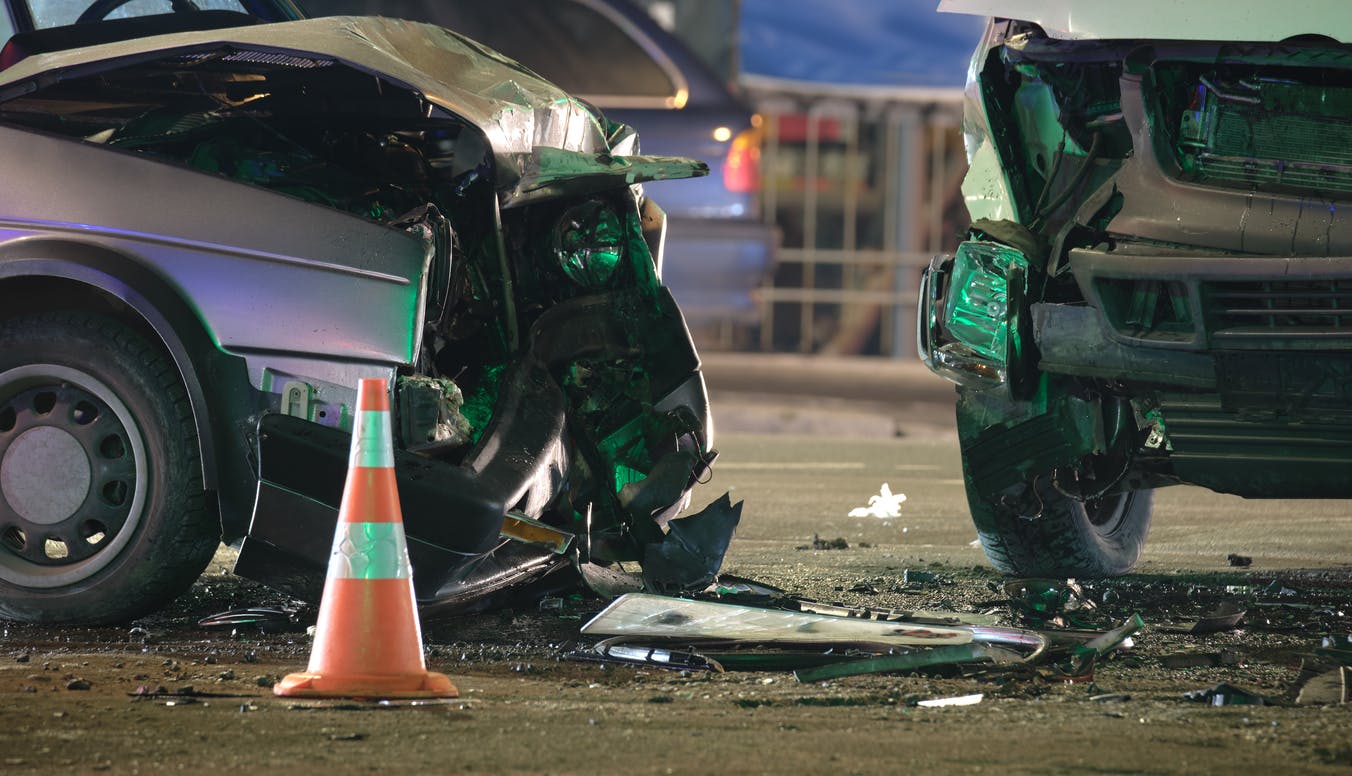
A minor crash can still become a serious claim when pain shows up days later, repair costs climb, or the insurer tries to blame you. That’s why you should at least talk to a car accident lawyer after a minor accident if you were hurt, fault is unclear, the insurance company is pressuring you, your vehicle needs more than simple cosmetic repairs, or you are being asked to give a recorded statement or sign a release.
At Kwartler Manus, we move fast because delay benefits the defense. Our Pennsylvania and New Jersey personal injury attorneys have handled more than 2,500 cases and 250+ jury trials. We build cases with a trial-first mindset from day one, pressure insurance companies early, and keep clients informed from the first phone call through the final result.
This guide explains what counts as a “minor” accident, when a lawyer may or may not be necessary, how contingency fees work, and what steps protect your claim before the insurance company controls the narrative.
Car Accident Legal Terms to Know
- Minor accident: A low-impact crash with limited visible damage, no obvious serious injuries, and vehicles that may still be drivable. Legally, “minor” is not always a formal category. Reporting duties often depend on thresholds for injury, death, towing, or property damage.
- Reportable accident in Pennsylvania: Pennsylvania law requires immediate notice to police if a crash involves injury, death, or vehicle damage so serious that the vehicle cannot be safely driven and requires towing.
- Reportable accident in New Jersey: New Jersey requires a written report within 10 days when a crash causes injury, death, or more than $500 in property damage.
- Contingency fee: A lawyer is paid only if the case is successful, usually through a percentage of the recovery. The American Bar Association explains that contingent fees are commonly used in personal injury cases.
- Comparative negligence: Pennsylvania and New Jersey both use comparative negligence rules, meaning your recovery may be reduced if you share fault, and recovery can be barred if your fault is too high.
- Statute of limitations: In most Pennsylvania and New Jersey personal injury cases, the deadline to file a lawsuit is two years.
When You May Need a Lawyer After a Minor Accident
Legal help is usually smart when:
- You have neck, back, shoulder, head, knee, or nerve pain
- Symptoms developed hours or days later
- The other driver disputes fault
- The insurance company wants a recorded statement
- The offer does not cover your medical bills, lost wages, or pain
- Your vehicle damage looks small, but repair costs are high
- You missed work
- You need physical therapy, imaging, injections, surgery, or specialist care
- The crash involved a company vehicle, a rideshare vehicle, a delivery driver, an uninsured driver, or a drunk driver
- You are unsure what your claim is worth
When You May Not Need a Lawyer
You may not need a lawyer if:
- No one was hurt
- Damage is truly cosmetic
- Fault is clear and undisputed
- The insurer pays repair costs fairly
- There are no missed wages
- You do not need medical treatment
- You are not being asked to sign away injury claims
Even then, do not sign a release unless you understand exactly what rights you are giving up.
What To Do After a Minor Accident
Step 1: Protect your health first
Even if the crash feels minor, do not guess about your injuries. Insurance companies use the delay in treatment to argue that you were not really hurt, so early treatment protects your health and documents the injury.
- Check yourself and passengers for pain, dizziness, stiffness, headache, numbness, or confusion
- Get medical care if symptoms appear
- Follow the treatment plan
- Avoid gaps in care
- Keep every bill, diagnosis, discharge paper, and referral
Step 2: Report the crash when required
A police report can lock in basic facts before the other driver changes their story.
- Call police if anyone is hurt
- Call police if a vehicle must be towed
- In New Jersey, remember the $500 property-damage reporting threshold
- Get the crash report number
- Request a copy of the report when available
Step 3: Document everything before vehicles move
Minor accident cases often turn on details. Get them early.
- Photos of vehicle damage
- Photos of the road, intersection, debris, skid marks, weather, and traffic signs
- Driver’s license and insurance information
- Witness names and phone numbers
- Rideshare, delivery, or commercial vehicle details
- Dashcam, doorbell camera, or nearby business camera locations
Step 4: Be careful with insurance calls
Insurance adjusters may sound helpful, but remember, their job is still to protect the company’s money.
Do not:
- Admit fault
- Guess about speed, distance, or injuries
- Say “I’m fine” if you have not been checked
- Give a recorded statement to the other driver’s insurer before legal advice
- Accept a quick settlement before knowing your full medical picture
Do:
- Report basic facts to your own insurer
- Keep answers short and accurate
- Ask for requests in writing
- Talk to a lawyer before signing anything
Step 5: Decide whether the case needs legal pressure
Ask yourself:
- Did pain appear after the crash?
- Is the other driver blaming you?
- Is the insurer minimizing your injuries?
- Are repair costs higher than expected?
- Were you hit by a commercial driver, Uber, Lyft, delivery driver, or drunk driver?
- Are you missing work?
- Do you need ongoing care?
- Are you being offered money before treatment is finished?
If the answer is yes to any of these, speak with a car accident lawyer.
How Minor Accident Cases Are Valued
A car accident claim depends on the full impact of the accident. Common value factors include:
- Medical bills
- Future treatment needs
- Lost wages
- Reduced earning ability
- Pain and suffering
- Property damage
- Fault disputes
- Insurance coverage
- Credibility of evidence
- Whether the lawyer is ready to file and try the case
Insurance companies often treat “minor impact” as “minor injury,” which isn’t always true. The right strategy connects the crash to the injury, documents the medical timeline, and shows the full extent of the disruption to your life.
What Compensation Can Cover
Depending on the facts, compensation may include:
- Emergency care
- Doctor visits
- Physical therapy
- Imaging
- Medication
- Lost income
- Vehicle repair or replacement
- Rental car costs
- Out-of-pocket expenses
- Pain, discomfort, and loss of normal daily life
If fault is shared, Pennsylvania and New Jersey comparative negligence rules can reduce recovery based on your percentage of fault.
Talk to Kwartler Manus Before the Insurance Company Decides What Your Case Is Worth
Insurance companies move quickly after a “minor” accident to define the claim before you understand its full impact. If they control the timeline, they control the outcome.
We don’t allow that.
At Kwartler Manus, every case is built from the start as if a jury will decide it. That changes how the case moves, how evidence is gathered, and how insurance companies respond.
Our process is designed to create momentum, and our strategy is intentional. When the other side knows a case is being handled by a team ready to file and try it, negotiations shift, and offers improve.
With more than 2,500 cases handled and over 250 jury trials, we understand how insurers evaluate claims and how to challenge those evaluations when they fall short. Contact us today to book your free case evaluation and learn more about what we can do for you.