
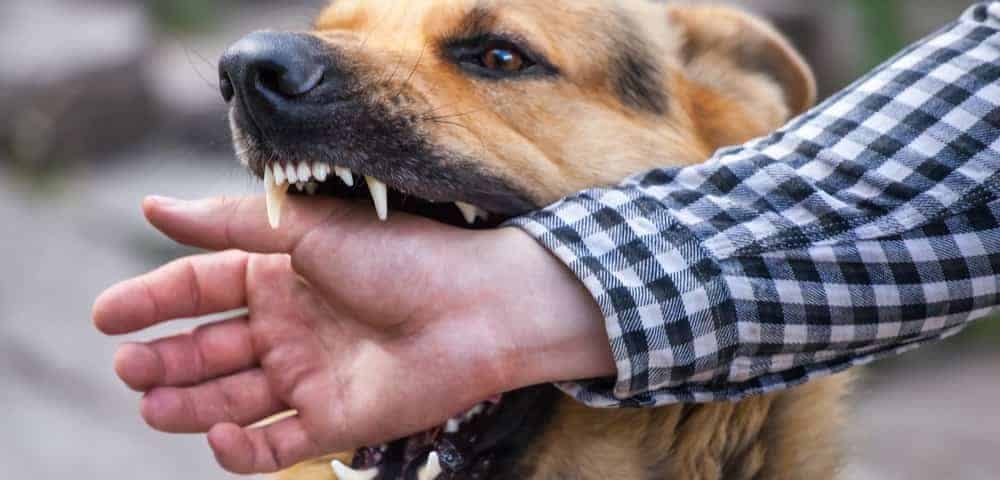
Pennsylvania's dog bite law combines strict liability and negligence. In most cases, a dog owner is strictly liable for a victim’s medical expenses if their dog injures someone, even if the dog had never bitten before.
However, to recover additional damages, such as lost wages or pain and suffering, the injured person typically must prove that the owner was negligent or that the dog was legally classified as “dangerous.” These rules are primarily governed by Pennsylvania’s Dog Law (3 P.S. § 459) and related civil liability statutes.
At Kwartler Manus, we build injury cases for trial from day one. With more than 250 jury trials handled and over 5,000 cases across Pennsylvania and New Jersey, we know how to identify liability, preserve evidence, and apply pressure early. Dog bite cases can involve homeowners’ insurance, landlord liability, and statutory violations. Below, we break down how Pennsylvania law works and what it means for you.
Legal Terms You Should Know
- Strict Liability: A legal standard where a person can be held responsible for certain damages regardless of prior knowledge or intent. Under Pennsylvania law, dog owners are strictly liable for medical expenses caused by their dog’s attack.
- Negligence: Failure to exercise reasonable care. To recover broader damages beyond medical bills, a victim may need to prove that the owner failed to restrain or control the dog properly.
- Dangerous Dog: Pennsylvania law defines a “dangerous dog” as one that has inflicted severe injury without provocation or has attacked a person or domestic animal without provocation.
- Comparative Negligence: Pennsylvania follows a modified comparative negligence rule under 42 Pa. Cons. Stat. § 7102. A victim’s recovery may be reduced if they are partially at fault, and barred if they are more than 50% responsible.
- Provocation: If a victim provoked the dog, liability may be limited or barred.
Pennsylvania Laws That Apply to Dog Bite Cases
Pennsylvania dog bite claims are shaped by several statutes that determine who pays, what must be proven, and how damages are calculated.
1. Pennsylvania Dog Law (3 P.S. § 459-101 et seq.)
Pennsylvania’s Dog Law establishes the legal framework for dog ownership responsibilities and civil liability.
Key provisions include:
- Owners are financially responsible for medical costs resulting from their dog’s attack (3 P.S. § 459-502(b)(1))
- Courts may designate a dog as “dangerous,” triggering heightened restrictions and potential criminal penalties for owners (3 P.S. § 459-502-A)
- Owners of legally classified dangerous dogs may face expanded civil exposure if another attack occurs
In practice, this means that even if a dog has never bitten before, the owner can still be responsible for certain damages.
2. Pennsylvania Comparative Fault Statute (42 Pa.C.S. § 7102)
Pennsylvania follows a modified comparative negligence system. If the injured person is found partially responsible—for example, by ignoring warning signs or trespassing—compensation may be reduced proportionally. If a plaintiff is more than 50% at fault, recovery is barred.
In dog-bite cases, insurers frequently argue for provocation or partial fault. How fault is allocated directly affects the value of the claim.
3. Confinement and Restraint Requirements
Pennsylvania law requires dogs to be confined appropriately or restrained (3 P.S. § 459-305). Allowing a dog to run at large can support a negligence claim.
Additionally, many municipalities impose local leash ordinances. Violating these rules can strengthen a civil liability case.
4. Premises and Third-Party Liability Principles
Beyond the dog’s owner, Pennsylvania civil law may extend liability to:
- Landlords who knowingly permit dangerous animals on rental property
- Property owners who allow hazardous conditions involving animals
These cases often turn on notice, i.e., whether the property owner knew or should have known of the risk.
What To Do After a Dog Bite
- Seek Immediate Medical Care: Dog bites pose an infection risk, including the risk of rabies and tetanus.
- Report the Bite: Notify local animal control or police. An official report documents the incident and may trigger a dangerous dog investigation.
- Identify the Dog and Owner: You’ll need the owner’s name and address, the dog’s vaccination records, and the homeowner’s insurance information.
- Photograph Everything: This includes wounds, torn clothing, location of the incident, and the dog (if safely possible).
- Preserve Medical Records and Bills: These are essential for establishing damages.
- Do Not Speak to Insurance Adjusters Without Counsel: Early statements can limit your recovery.
Liability, Defenses, and Damages Overview
| Legal Theory | When It Applies | Common Defenses | Damages Available |
| Strict Liability | Dog causes injury | Provocation | Medical expenses |
| Negligence | Owner failed to restrain or control dog | Comparative fault | medical bills, lost wages, pain & suffering |
| Dangerous Dog Statue | Dog previously deemed dangerous or inflixted severe injury | Trespassing | Full civil damages + penalties |
| Premises Liability | Landlord knowingly allowed dangerous dog | Lack of knowledge | Economic & non-economic damages |
Why Experience Matters in Dog Bite Cases
Most dog bite claims are paid through homeowners’ insurance policies. That means you are not negotiating with the dog owner directly; you are dealing with an insurance carrier whose goal is to limit exposure. Insurers often argue provocation, question the severity of injuries, dispute whether a dog legally qualifies as “dangerous,” or push for an early settlement before the full medical picture is clear.
Experience changes that dynamic.
At Kwartler Manus, we have handled more than 2,500 injury cases across Pennsylvania and New Jersey and tried over 250 cases before juries. Founding partners David Kwartler and Jason Manus built this firm on trial readiness. When an insurance company sees a file prepared for court—with documented damages, preserved evidence, and a clear liability theory—negotiations shift, and outcomes improve.
Our results reflect that approach. We have recovered:
- $1,000,000 in a Wyncote premises case
- $450,000 in a dog bite case in Williamstown
- $1,225,000 in a Philadelphia premises matter, among many others
We move early, reject unnecessary delays, and prepare every case as if a jury will decide it.
If you or your child has been bitten by a dog in Pennsylvania, we’ll handle the fight so you can focus on healing. We are available 24/7, you will have direct access to an attorney, and there are no fees unless we win. Contact us today for a free consultation.